

Summer Sale - free shipping on all orders!
Personal menu
Search
RSS

Blog posts tagged with '#dhikr'

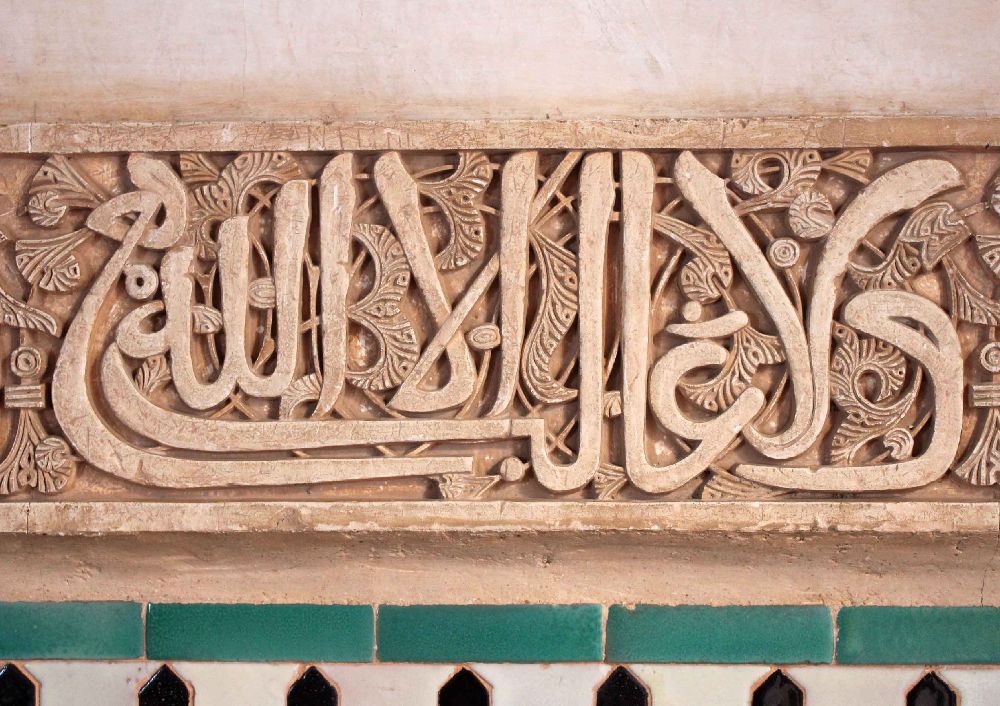
The History and Meaning of the most Famous symbol of Islamic Andalusia: The Plasterwork of "There is no victor but God" motto.


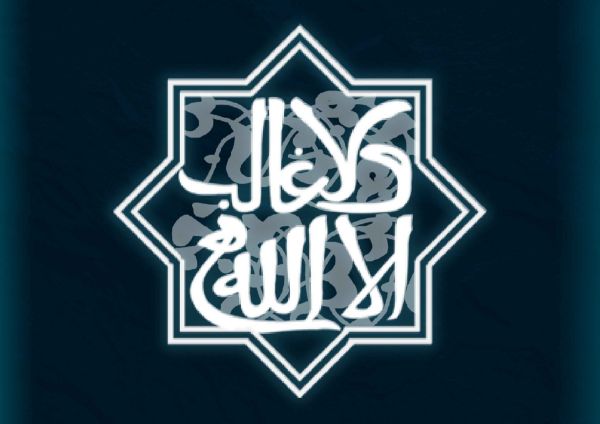
The plasterwork of "There is no victor but God" Motto in Alhambra.


“Wa la ghalib illa Allah” (There is no victor but God) is one of the most famous inscriptions in Andalusian architecture, particularly associated with the Alhambra Palace in Granada, Spain. During the final period of Muslim rule in Spain, the Emirate of Granada, ruled by the Nasrid dynasty, was the last surviving Muslim state. Its survival depended largely on paying tribute to the Christian Kingdom of Castile. Muhammad ibn al-Ahmar, one of the Nasrid rulers, was forced to cooperate with Castile against other Christian and Muslim powers.

 

Alhambra palace in Granada


In 1248, after the surrender of Seville—the last major stronghold of Muslim resistance in Spain—Ibn al-Ahmar returned to Granada and devoted himself to peaceful affairs. According to tradition, the people of Granada welcomed him with cries of “Galib! Galib!” (“Victor! Victor!”), to which he replied: “There is no victor but God.” The phrase subsequently became the motto of the Nasrid dynasty and was repeatedly incorporated into the plasterwork of the Alhambra.

The Emirate of Granada remained the last Muslim emirate in Spain until its fall in 1492.
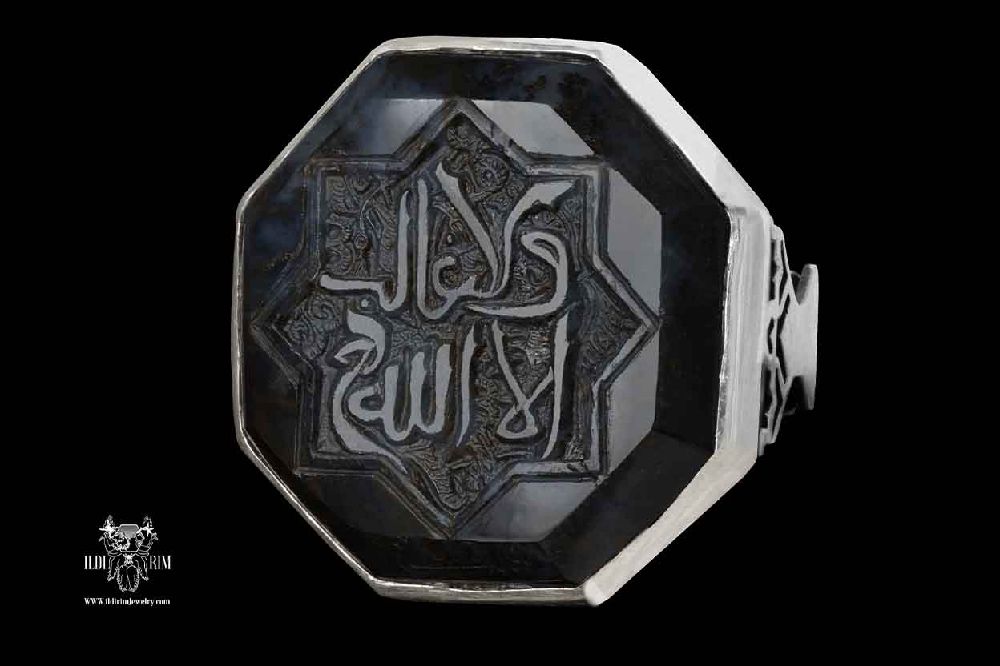


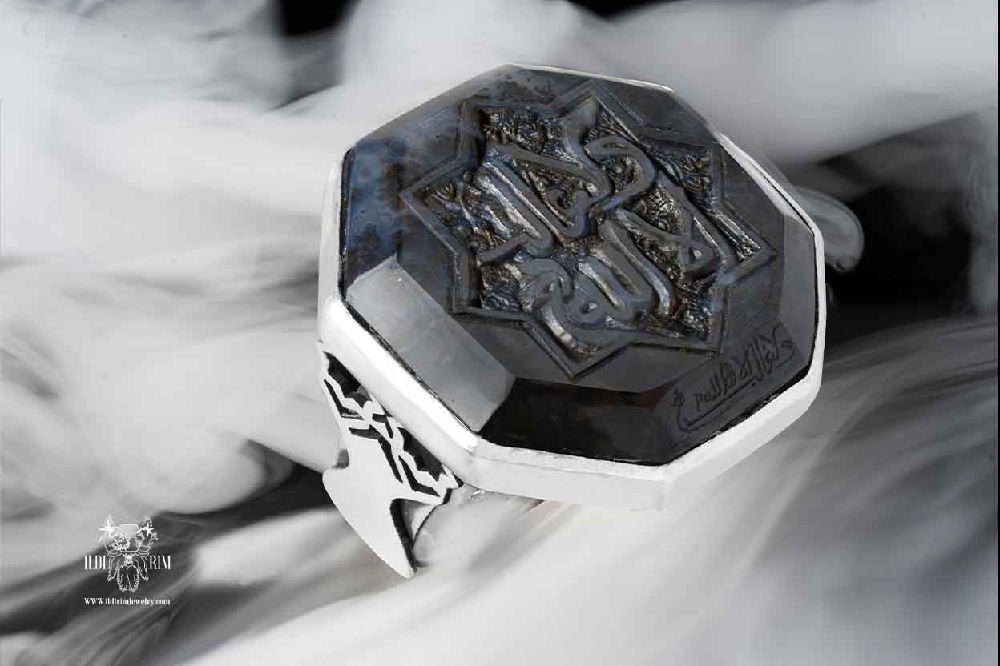
Here at Ildirim Jewelry, we have made a ring inspired by the plasterworks of the Alhambra and featuring the motto “Wa la ghalib illa Allah” (There is no victor but God). To order, click the link below:

https://www.ildirimjewelry.com/the-octagon-of-alhambra-ring


By Ebrahim Masoumi,

The founder of Ildirim Jewelry
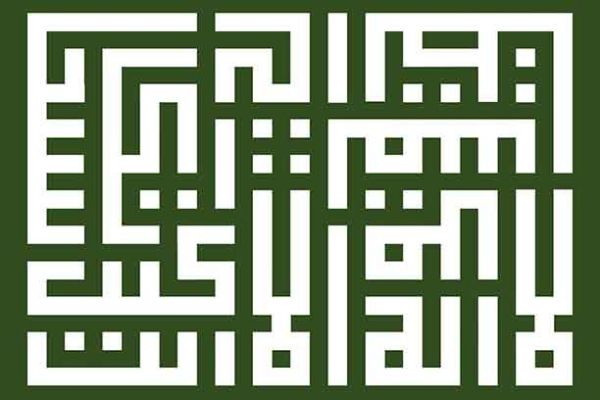


What is Dhikr Yunusiyeh in Islam?

In Islamic terminology, dhikr(Zikr) refers to the repetition or saying specific words or phrases which are usually from the Quran, hadiths, or the Names of God, with the aim of becoming closer to God, seeking His help and forgiveness, and strengthening the faith or acquiring the attributes of those names of God. This practice is one of the most important acts of worship in Islam and is emphasized in all Islamic sects.


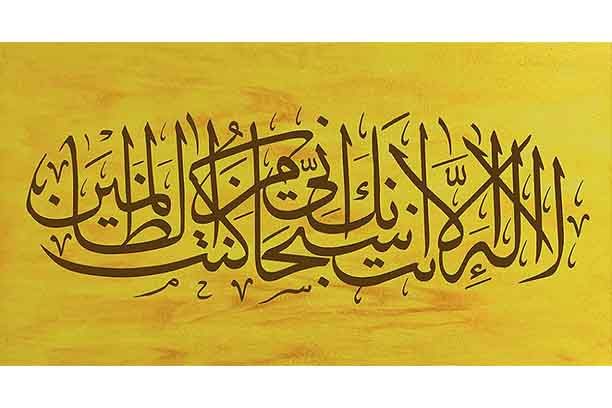
Dhikr Yunusiyeh is actually a prayer that Prophet Yunus (Prophet Jonah) was repeating for God's help in a very difficult situation when he was in the belly of the whale. This dhikr is found in the Holy Quran, (Surah Anbiyyah, verse 87), and it’s meaning is: There is no god except You, you are pure and glorious, indeed I was from wrongdoers.

In Surah Saffat (verses: 43,44) is mentioned about Prophet Yunus: If had he not been one of those who glorify God (probably this praying was dhikr Yunusiyeh), He would certainly have remained inside the Fish till the Day of Resurrection.


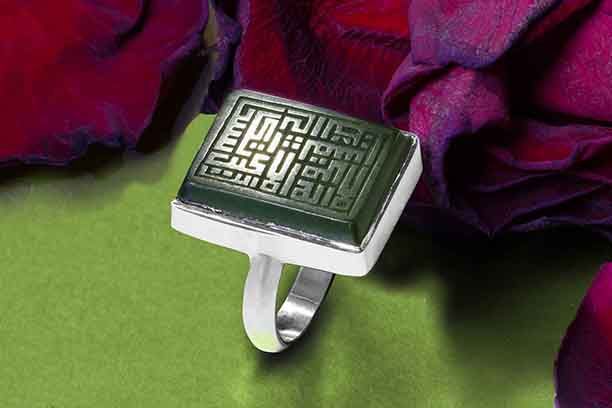
Dhikr Yunesiyeh in square Kufic script ring in Ildirimjewelry store: https://www.ildirimjewelry.com/dhikr-yunesiyeh-square-kufic-ring


Islamic ethics and mysticism scholars strongly emphasize the repeating this dhikr, especially during prostration.

The most important and common benefits of saying and repeating Dhikr Yunusiyeh are:

Purify the spirit and aiding in attaching angelic stations

Getting calmness,

Increasing hope,

Disappearing and reducing sadness and sorrow and…

Imam Sadiq (pbuh), the 6th Imam of Shias, has said, "I am amazed at someone who is sorrowful and yet does not say this dhikr: There is no god except You, you are pure and glorious, indeed I was from wrongdoers.', because God says afterwards in Quran: 'So We answered his praying and brought him out from Abyss of sorrow. And thus We save the believers (Surah Anbiyah, verse 87)".


By Ebrahim Masoumi,

Ildirimjewelry